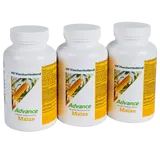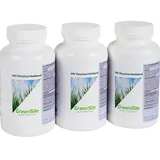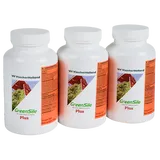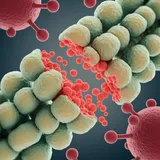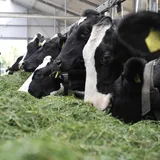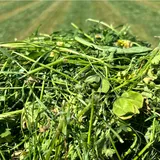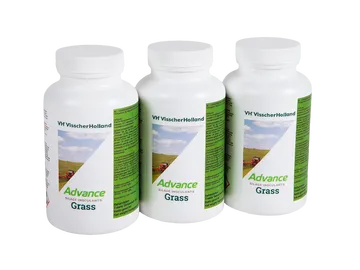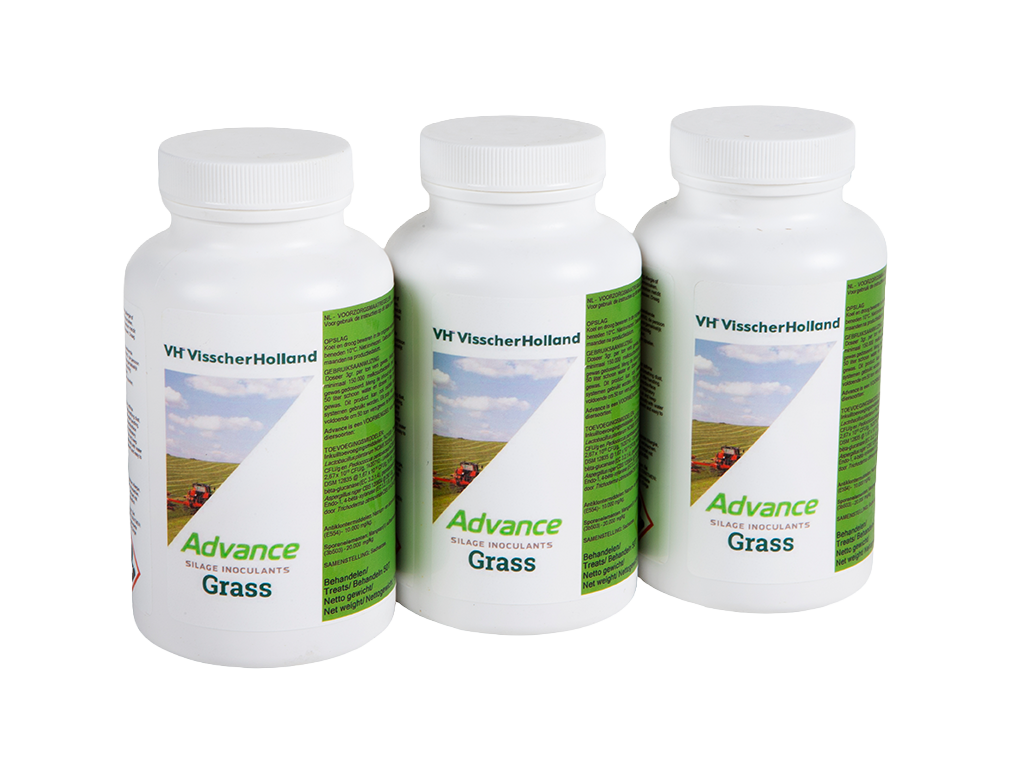
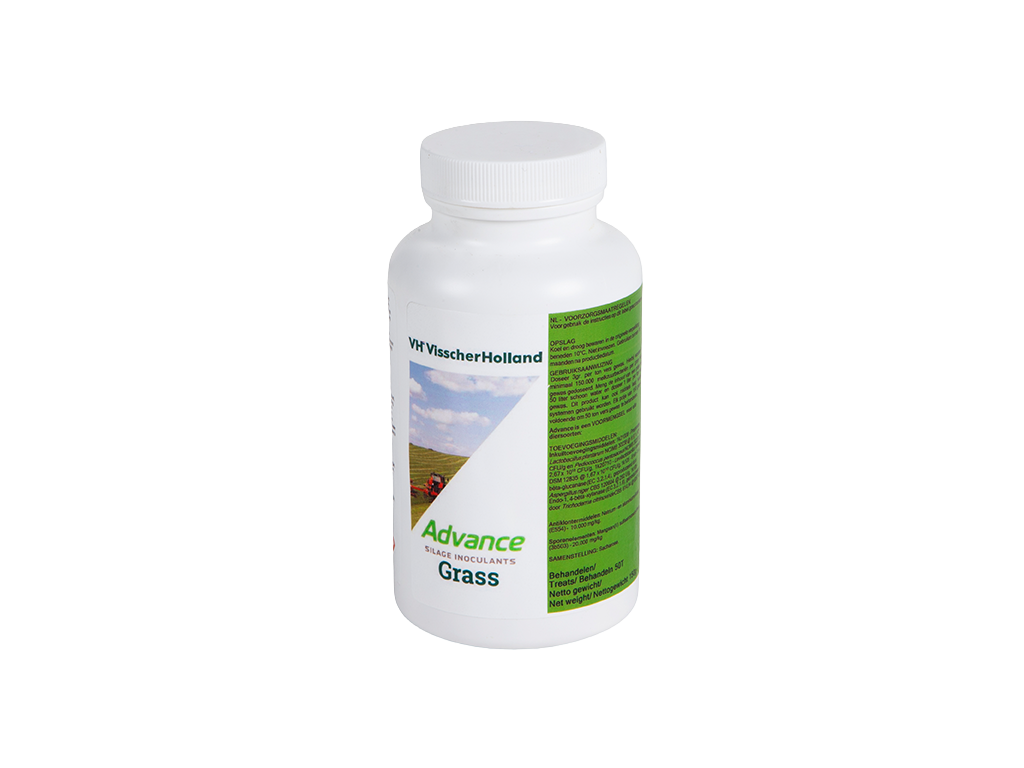
Advance Grass inoculant combines four key components that work together to optimise the fermentation process and improve feed efficiency. Maximising the return of grassilage is more important than ever. Both silage quality and yield directly influence the performance of your herd. With the same number of hectares of grass and maize, you want to produce more milk. Advance Grass inoculant help increase milk production per hectare by improving silage quality, digestibility and stability.
- Combination of Lactic Acid bacteria, Acetic Acid bacteria, Stimulants and Enzymes
- Better digestibility
- 10% more dry matter
Advance Grass inoculants combines four key components that work together to optimise the fermentation process and improve feed efficiency.
Sugar Release Stimulant
The stimulant promotes the release of sugars within the silage clamp. These sugars serve as the essential food source for lactic acid bacteria, supporting a rapid and effective fermentation process.
Lactic Acid Bacteria
Lactic acid bacteria quickly stabilise the silage and reduce the pH level, minimising fermentation losses. Pediococcus becomes active immediately after ensiling. Lactobacillus plantarum continues the fermentation and completes the pH reduction
Enzymes for Better Digestibility
Enzymes improve fibre breakdown, making the silage more digestible and increasing feed efficiency. Feeding trials have shown that cows produce more milk when ADVANCE is used. In trials, milk yield dropped by 1–2 litres per cow per day immediately after the use of ADVANCE was discontinued.
Aerobic Stability with Acetic Acid Bacteria
Lactobacillus brevis helps keep the silage clamp stable and cool after opening. This acetic acid bacterium becomes active when oxygen enters the clamp, preventing heating and spoilage. As a result, more usable crude protein is preserved in the feed.
| Contents | Including lactic acid bacteria / acetic acid bacteria / enzymes |
| Unit | 150 gr Jar (liquid) / 25 gr bags (granular) |
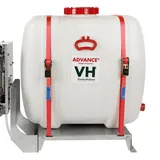
| Dosage | Liquid: 3 g/t | Granular: 500 g/t grass silage |