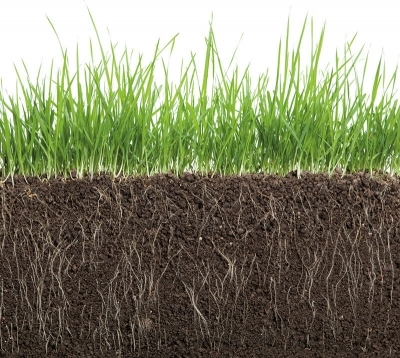

Mycorrhizal soil fungi are threads which grow on the root. These thin threads can extend up to 30 times further than roots and can pass unerringly through all soil types. Have you ever wondered how plants can grow on rocks?
Mycorrhizal soil fungi absorb the nutrients for the plant and transport them to the plant via the roots. In exchange for phosphates, minerals and nitrogen, the plant supplies the mycorrhizal fungi with the sugars they need as nutrients: the perfect symbiosis.
- Larger uptake capacity and drought tolerance
- Improved mineral absorption, particularly phosphate and silica.
- Increased survival rates and less susceptibility to disease after planting or transplanting.
Reduce artificial fertiliser usage with Mycorrhizae soil fungi
Artificial fertiliser granules have ‘killed’ the soil in recent years. Artificial fertiliser is an aggressive fertiliser which kills the mycorrhizal fungi in the soil. As a result, the natural habitat within the soil no longer works. The roots are no longer supplied by fungi, but only by the humans working the land.
Application of mycorrhizal soil fungi (Optimyc) can reduce the toxicity of the artificial fertiliser. In the course of the year enough elements, mainly nitrogen, are released into the soil to feed the plant. Mycorrhizal soil fungi absorb these and transport them to the plant's roots.
You don’t have to work for the plant – just let the soil do the work for you.
Plants in the natural world always grow with mycorrhizae.
The hyphal threads of mycorrhizae grow into the fine roots and take over the absorption of most of the minerals and the water from the roots. This increases the roots’ lifespan by 10 to 100. Roots without mycorrhizae grow only for a short period of time (several days up to around 6 weeks) and are vulnerable to infestations and nematodes. Plants with mycorrhizal fungi in the roots suffer less damage, are more resistant to stress, and in general produce a bigger harvest, flower longer and more fully, and are stronger than their counterparts which have been grown exclusively on NPK fertilisers. The natural uptake of minerals means that under- or over-fertilising is less quickly apparent.
Plants with a natural symbiosis with mycorrhizae have great advantages in comparison to plants grown only with artificial fertiliser and trace elements.
- Larger uptake capacity and drought tolerance
- Improved mineral absorption, particularly phosphate and silica.
- Increased survival rates and less susceptibility to disease after planting or transplanting.
- Greatly improved success ratend continued growth after planting or transplanting.
- Increases yield and improves growth, particularly in stressful situations.
- Increases survival rates and promotes improved growth in hard-to-cultivate plants.