Lacteolus: a targeted approach to Clostridia!
VisscherHolland introduces Lacteolus, an innovative silage protectant that stands out through its combined approach to fermentation management and microbial control. The product addresses the growing challenges posed by Clostridia and mould contamination in forage, offering a targeted solution for preserving feed value and animal health.
Many dairy farmers are familiar with it: silage that looks good but still heats up or is less readily consumed. Lacteolus tackles this problem at its source. It actively inhibits moulds and Clostridia and helps preserve proteins, allowing cows to utilise forage more efficiently. Lacteolus prevents heating and mould, while preserving proteins and supporteing high-quality milk production.
The result:
- Better feed intake
- Less feed loss
- More available nutrients
- Support for milk production
- In short: more stable silage, fewer losses and a more consistent ration.
Implications for animal health and performance
Elevated levels of Clostridia can disrupt intestinal health in ruminants and lead to toxin production. By reducing these bacterial levels at the silage stage, Lacteolus contributes to a more stable microbial balance in the ration, supporting animal health and high-quality milk production.
Targeting Clostridia through PBC activation
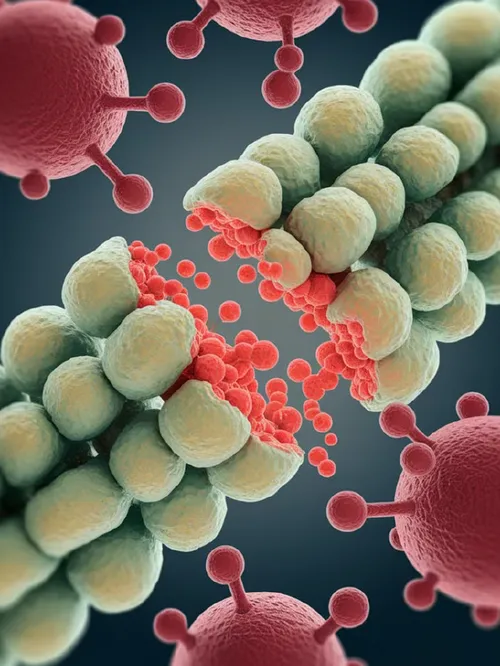
While conventional silage additives primarily focus on lowering the pH, Lacteolus takes a broader approach. Plant Based Components (PBCs) activate quinones that inhibit both Candida and Clostridia. This approach is relevant because Clostridia can survive at a pH of 4–4.5, often putting them beyond the scope of conventional ensiling strategies. Quinone activation also helps protect proteins in the silage, limiting proteolysis and reducing ammonia formation. This results in more efficient utilisation of crude protein and improved nitrogen efficiency in ruminants.
Dual action: fermentation and microbial control
Lacteolus contains selected lactic acid bacteria that produce both lactic acid and acetic acid, known as heterofermentative bacteria, alongside PBC components. This formulation provides controlled, stable fermentation while actively suppressing unwanted microorganisms.
Practical experience shows that this dual action leads to:
- Lower Clostridia levels
- Less protein breakdown
- Improved silage stability, both during storage and after opening
- Better nutrient utilisation
Peter van Beest’s experience: “A ton of difference”
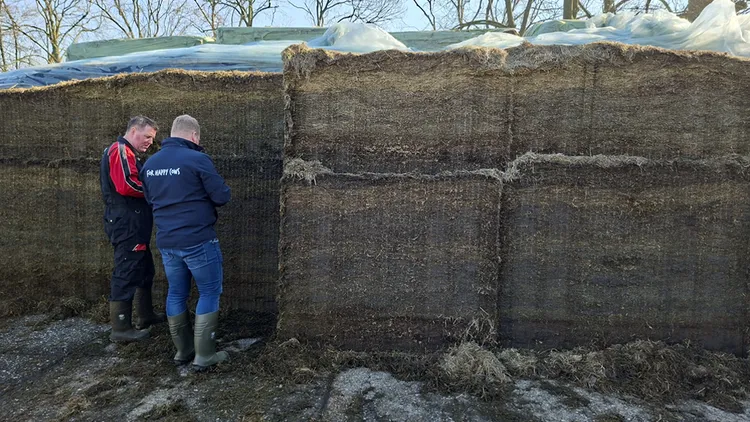
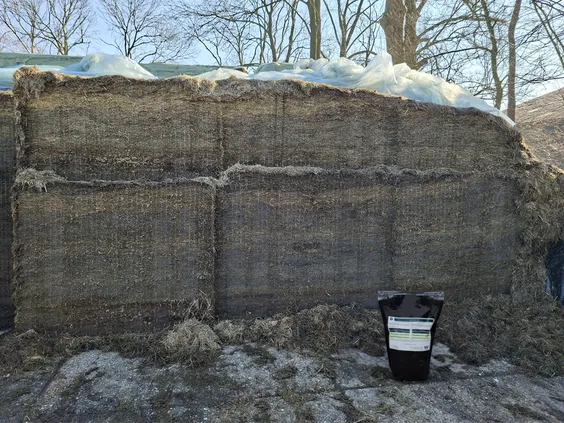
At dairy farm MTS. Van Beest ‘De Betuwse Weide’ in Lienden, Peter van Beest had confirmed Candida contamination in his silage and has now been using the silage protectant Lacteolus for two years. He feeds his 170 cows using a Lely Vector, which means the cut silage blocks can remain in the feed kitchen for up to two days.
“I add Lacteolus through the dosing unit on the forage wagon and unload the wagon along the entire length of the bunker silo. I have fed all the silage treated with Lacteolus without throwing away a single handful of grass. Whereas I used to spend a lot of time sorting through the grass by hand, feeding is now so much easier. When you are used to pulling everything apart, this makes a real difference and is a real relief!”