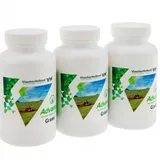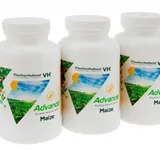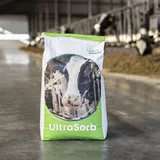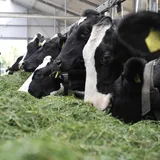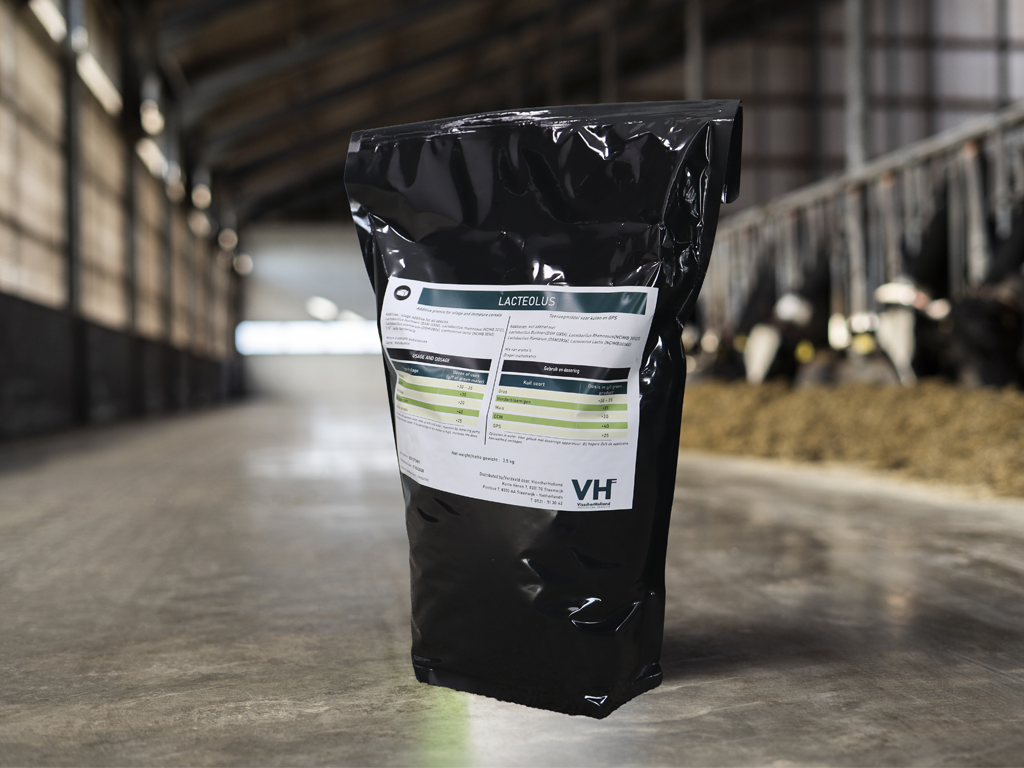
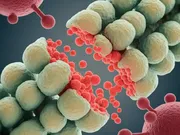
Lacteolus is a silage protectant that helps dairy farmers keep their silage stable and get more out of their forage. At a time when moulds and Clostridia are causing problems more frequently, Lacteolus offers a practical solution for preserving feed value and animal health. Lacteolus protects silage and contributes to animal health and high-quality milk production.
- Helps preserve forage quality and get more out of forage
- Reduces protein breakdown and increases nutrient availability
- Contributes to higher feed intake and better animal health
- Supports high-quality milk production in sheep, goats and cows
The innovative silage protectant with a dual action
Many dairy farmers are familiar with it: silage that looks good but still heats up or is less readily consumed. Problems may be present, whether visible or invisible. For example, white patches in the silage may indicate the presence of Candida. Alternatively, animal health problems may arise that could point to Clostridia.
Clostridia bacteria that damage the gastrointestinal tract are regularly found in ruminants. When these bacteria multiply rapidly, they disrupt the balance of the gut microbiota by displacing beneficial bacteria. As a result, the toxins they produce can enter the bloodstream and damage organs. These harmful bacteria remain in circulation through manure. Conventional silage additives can do little to address this, partly because Clostridia thrive and grow at a pH of 4–4.5.
Lacteolus provides a solution by tackling the problem at its source. It actively inhibits moulds and Clostridia and helps preserve proteins. The result: more stable silage, fewer losses and a more consistent ration.
How does Lacteolus work?
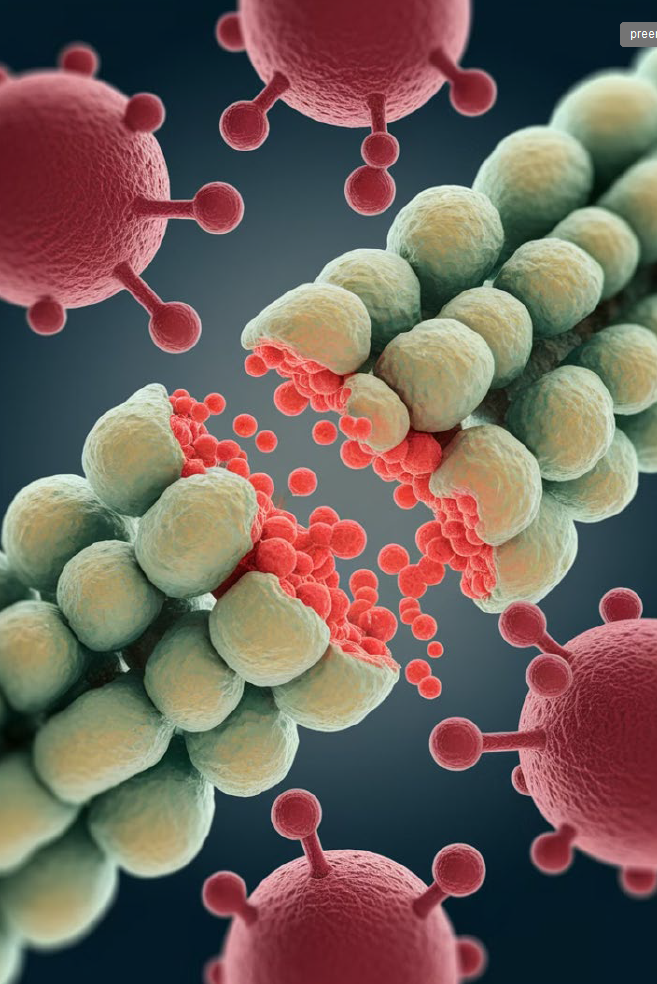
Lacteolus is a biologically controlled fermentation system with a unique dual action. This silage protectant goes beyond treating symptoms: it provides control over the entire system and inhibits or neutralises Clostridia.
Some plants contain PBCs (Plant Based Components), also known as quinones, which provide natural protection against Candida and Clostridia. These quinones have beneficial and anti-inflammatory properties and protect true protein.
Lacteolus activates these quinones and combines PBCs with selected lactic acid bacteria and acetic acid-producing bacteria, suppressing moulds and bacteria. It also protects proteins in the feed, allowing cows to utilise forage more efficiently.
Benefits of Lacteolus:
- Better animal health
- Higher feed intake
- Less protein breakdown and more available nutrients
- Support for milk production
- Less leftover feed
With Lacteolus, cows not only receive higher-quality forage but can also get much more out of it. That means better performance and more milk!
“A world of difference” in practice
Dairy farmer Peter van Beest from Lienden had confirmed cases of Candida in his silage and has been using the silage protectant Lacteolus for two years. He feeds his 170 cows using a Lely Vector, which means the cut silage blocks can remain in the feed kitchen for up to two days.
Van Beest: “I add Lacteolus through the dosing unit on the forage wagon and unload the wagon along the entire length of the bunker silo. I have fed all the silage treated with Lacteolus without throwing away a single handful of grass. Whereas I used to spend a lot of time sorting through the grass by hand, feeding is now so much easier. When you are used to pulling everything apart, this makes a world of difference and is a real relief!”
Want to know more about Lacteolus and how it works?
Download the brochure
| Type | Powder |
| Contents | 3,5 kg bag |
| Dosage | Grass: 30–35 grams per tonne of fresh material |
| Maize: 20 grams per tonne of fresh material | |
| Legumes: 35 grams per tonne of fresh material | |
| CCM: 40 grams per tonne of fresh material | |
| Whole-crop cereal silage: 25 grams per tonne of fresh material | |
| Application | Dissolve in water for use with dosing equipment. Increase the dosage at higher dry matter contents. |