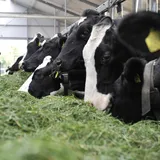
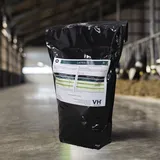
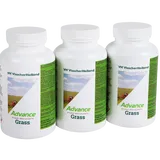
Lacteolus: optimal silage quality for cows, sheep and goats
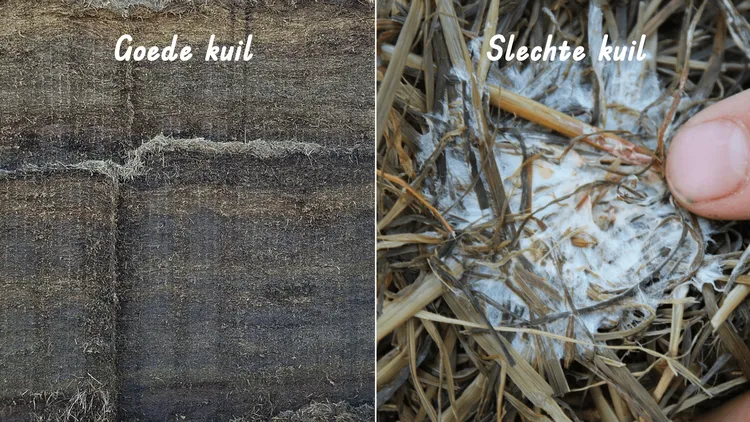
Many dairy farmers are familiar with it: silage that looks good but is less readily consumed. Such silage may contain unwanted microorganisms, including yeasts, moulds or bacteria. One of these bacteria is Clostridium. Under unfavourable conditions, this bacterium can multiply explosively and reduce the feed value of forage. A silage protectant such as Lacteolus supports silage fermentation while specifically targeting unwanted microorganisms.
What are Clostridia, and what do they mean for forage?
Clostridia, also referred to as Clostridium, are spore-forming bacteria that occur naturally in soil and in animals’ intestines. These bacteria can enter forage through contamination during ensiling. If the silage is subsequently inadequately preserved, the bacteria multiply rapidly. This can happen, for example, when the pH does not fall quickly enough because the silage contains many different types of clover and herbs, or when the silage is poorly compacted or too wet. The bacteria then break down proteins in the feed and make the silage unpalatable. As a result, forage intake declines, and its feed value is already compromised before the silage clamp is even opened.
What effects will I see in my livestock?
Less palatable silage and protein breakdown can have significant long-term consequences for lactating animals. Certain Clostridia also produce butyric acid, which can have serious effects on animals.
- Lower feed intake and less milk
As essential proteins are broken down, palatability is affected and the silage contains less feed value, feed intake declines. The quality of the feed the animals consume also falls dramatically. This results in more leftover feed, lower-than-expected milk production and reduced milk constituent levels.
- Higher risk of ketosis
Clostridia in forage can cause butyric acid production. Butyric acid spores can then spread through the housing via manure, cause problems in the intestines and damage the intestinal wall. This not only leads to health problems and reduced immunity but also increases the risk of conditions such as ketosis.
- Disease-causing organisms
Less palatable silage not only compromises feed value and reduces feed intake but also increases the number of Clostridia in animals’ intestines. This raises the risk of toxin production, with Clostridia producing toxins in the intestines and damaging the intestinal wall from within. The pathogen involved can vary between animal species and often causes a range of health problems.
Effects on cattle
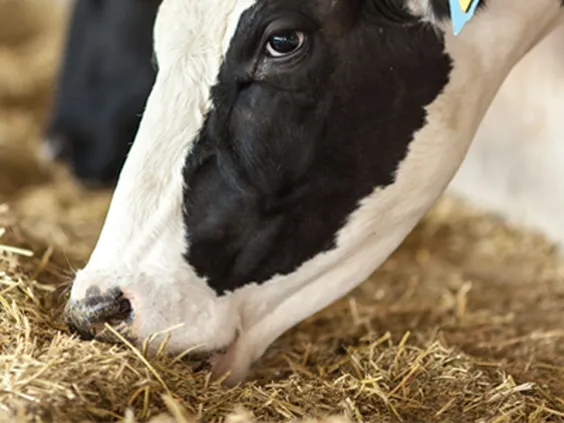
In cattle, the best-known variants include Clostridium perfringens type A and Clostridium botulinum (botulism), which can cause severe intestinal infections, progressive muscle weakness and death. It is therefore important to prevent these problems and keep Clostridia levels in forage to a minimum. Using Lacteolus as a silage protectant can inhibit and neutralise Clostridia in the silage while also controlling yeasts and moulds.
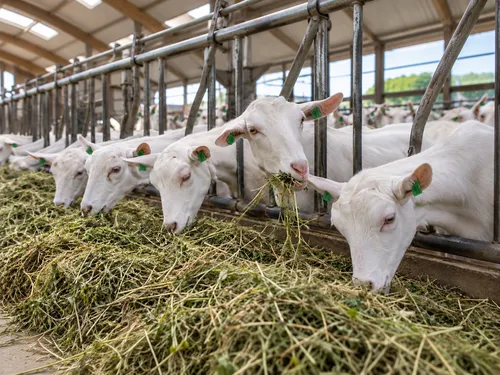
Effects on sheep and goats
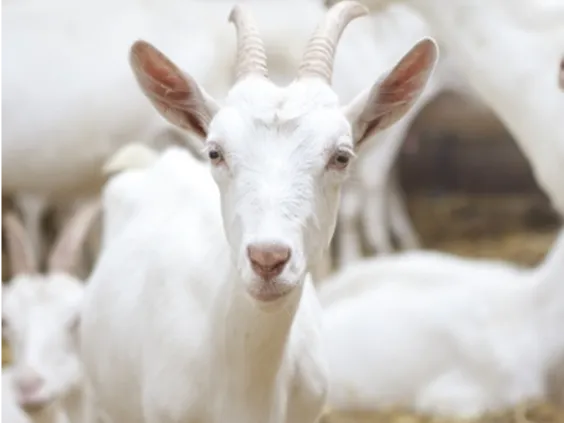
Small ruminants such as dairy sheep and dairy goats are particularly sensitive to Clostridia because their rumen and intestines are highly vulnerable. Certain bacteria in the rumen can reduce Clostridia during an infection, but the high passage rate leaves less time for this, allowing Clostridia to remain active more frequently. Harmful bacteria and toxins therefore reach the intestines more quickly, causing greater damage within a short period. All these effects consequently develop faster in small ruminants than in cattle.
What can I do about Clostridia in my silage?
Lacteolus tackles this problem at its source. Lacteolus is more than a silage additive: it is a silage protectant that helps inhibit Clostridia growth from the moment of ensiling. Lacteolus actively inhibits moulds and Clostridia, ensures a rapid fall in pH, particularly in wet silage, and helps preserve proteins, allowing cows to utilise forage more efficiently.
Lacteolus achieves this by combining selected lactic acid bacteria with PBCs (Plant Based Components). This combination targets more stable silage, less feed loss and the preservation of valuable nutrients. Its PBCs support a uniform fermentation process, even in silage containing a wide variety of plant species, such as clovers and herbs, and varying dry matter contents. These PBCs also help activate quinones, which inhibit Clostridia and Candida and help protect proteins against breakdown. In this way, Lacteolus supports better utilisation of home-grown forage and a more consistent ration.
The result:
- Better feed intake
- Less feed loss
- More available nutrients
- Supporting and improving milk production
In summary, Lacteolus delivers more stable silage, fewer losses and a more consistent ration. No heating or mould, while preserving proteins and supporting high-quality milk production.
Lacteolus: optimal silage quality for cows, sheep and goats!